
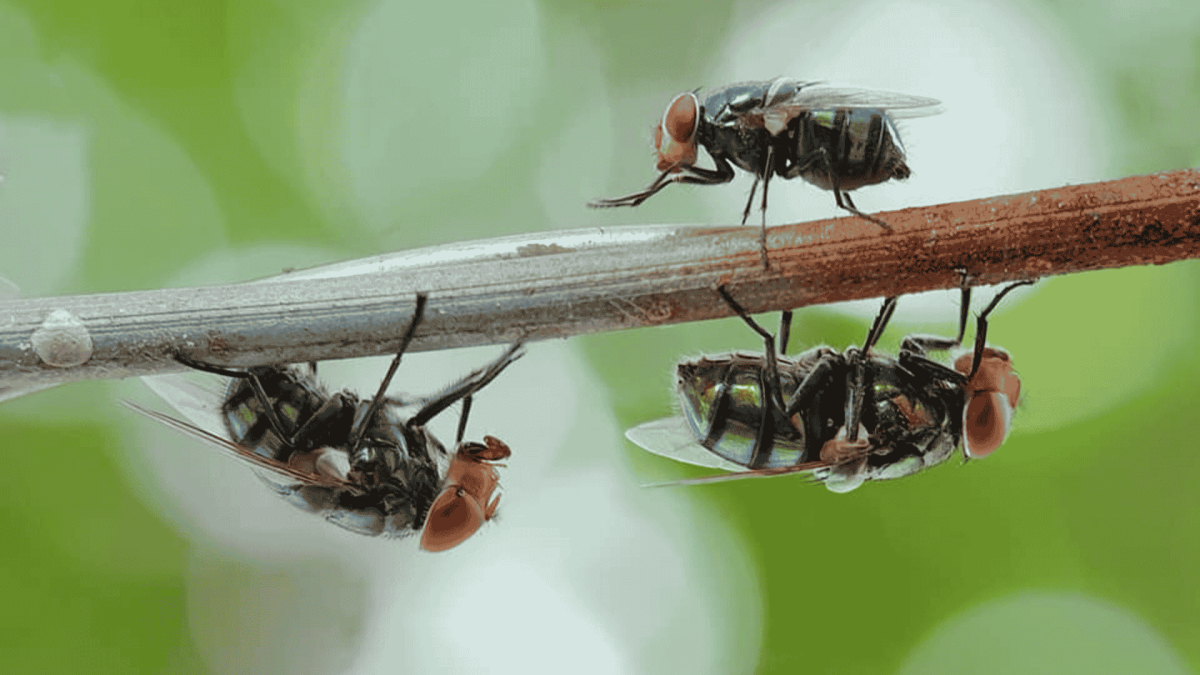
There's nothing quite like reaching for a glass at the sink and watching a tiny cloud of insects lift off. If you've noticed fruit flies in your drain, you're dealing with one of the most common and most frustrating household nuisances in Henderson, Buncombe, and Transylvania Counties. The good news is they're usually easy to eliminate once you understand what's drawing them in.
Here's something worth knowing up front: many of the "fruit flies" people find hovering around a drain are actually drain flies, a close cousin with slightly different habits. We'll help you tell the difference, walk you through clearing them out for good, and explain when a stubborn infestation is a sign to call a professional. Let's get your kitchen and bathroom back.
Quick Summary
- Fruit flies and drain flies breed in the thin layer of organic gunk that builds up inside drains.
- The fix is to physically clean the drain, not just spray the flies you can see.
- A brush, hot water, and a baking soda and vinegar flush clear most cases within a week or two.
- Prevention comes down to keeping drains clean and removing food sources like overripe produce.
- If the flies keep returning, it can point to buildup or a venting issue deeper in your plumbing.
Why Are There Fruit Flies in Your Drain?
Fruit flies in a drain almost always come down to one thing: food. The inside of a drain collects a slimy film of soap residue, food particles, grease, and other organic matter. To a fruit fly or drain fly, that film is both a buffet and a perfect nursery, warm, moist, and undisturbed.
Female flies lay their eggs directly in this gunk, and the larvae feed on it as they develop. Because the whole cycle happens inside your pipes where you can't see it, the problem often seems to appear out of nowhere. You wipe down every counter, toss the overripe bananas, and the flies still swarm the moment you run the tap.
Fruit Flies vs. Drain Flies: What's the Difference?
It's worth figuring out which pest you're actually dealing with, because it tells you where they're coming from:
- Fruit flies: small, tan or brown, with distinctive red eyes. They're drawn to ripening fruit, sugary spills, and recycling bins, but they'll happily breed in a dirty drain too.
- Drain flies: slightly fuzzy, moth-like, and gray. These breed almost exclusively in drains and sewage, so if you're seeing them, your pipes are almost certainly the source.
Either way, the treatment is largely the same, because the drain is the breeding ground you need to eliminate.
How to Confirm the Drain Is the Source
Before you start cleaning, it helps to confirm which drain is the culprit. Here's a simple overnight test.
Tape a piece of clear plastic wrap loosely over the drain opening, sticky side down, and leave a small gap for air. Leave it overnight. If flies are breeding in that drain, you'll find a few stuck to the underside of the wrap by morning. Repeat on any drain you suspect, whether it's the kitchen sink, bathroom sink, tub, or a floor drain, to pinpoint exactly where they're coming from.
How to Get Rid of Fruit Flies in Your Drain
Once you know where they're coming from, here's how to clear them out. Work through these steps in order for the best results.
Step 1: Physically Clean the Drain
Spraying insecticide down the drain won't accomplish much if the gunk stays put. Start by removing the drain cover or stopper, then use a long, stiff brush to scrub the inside walls of the drain and as much of the pipe as you can reach. You're scraping away the film where the eggs and larvae live.
Follow with a kettle of hot water to rinse the loosened debris down. Avoid boiling water if you have PVC pipes, since very high heat can soften the joints over time.
Step 2: Flush With Baking Soda and Vinegar
Pour about half a cup of baking soda into the drain, followed by a cup of white vinegar. Let the mixture fizz and sit for at least an hour, or overnight if you can manage it. This helps break down the organic residue a brush can't reach.
Finish by flushing with hot water. For a tougher case, an enzyme-based drain cleaner is a great next step, since the enzymes digest the organic matter the flies feed on without the harshness of chemical cleaners.
Step 3: Remove Their Other Food Sources
While you're treating the drain, cut off any other attractions in the room. Toss overripe fruit, empty the trash and recycling, wipe down sticky spots, and rinse containers before they go in the bin. Fruit flies can breed in a forgotten juice spill just as easily as in a drain, so a clean drain alone won't win the battle.
Step 4: Repeat and Monitor
The fly life cycle runs about a week, so a single cleaning may not catch every generation. Repeat the drain cleaning every few days for a couple of weeks, and keep using the tape test to track your progress. Consistency is what finally breaks the cycle.
How to Keep Fruit Flies From Coming Back
Prevention is far easier than another round of treatment. A few simple habits keep drains from becoming breeding grounds in the first place:
- Run hot water down your drains regularly to keep residue from building up.
- Clean your kitchen sink and garbage disposal weekly.
- Take out food waste and recycling promptly.
- Address slow drains early, since standing gunk is exactly what flies look for.
For a deeper look at keeping your kitchen plumbing in top shape, our complete guide to kitchen plumbing covers maintenance that pays off well beyond pest control.
When to Call Plumbing Solutions
Most fruit fly problems clear up with a thorough cleaning. But if you've scrubbed, flushed, and waited, and the flies keep coming back, the issue may sit deeper in your system than you can reach. Persistent breeding can point to heavy buildup farther down the line, a partial clog holding organic matter in place, or even a venting problem letting pests and sewer gases travel where they shouldn't.
That's where our team comes in. Our licensed technicians can clear stubborn buildup with professional drain cleaning and check whether something structural is keeping the problem alive. If you're noticing other warning signs alongside the flies, our guide on the signs you need a professional drain cleaning is worth a read.
We help homeowners throughout Henderson, Buncombe, and Transylvania Counties during regular business hours. When the flies just won't quit, contact Plumbing Solutions and we'll track down the source.
Frequently Asked Questions
Are these fruit flies or drain flies?
Fruit flies are small with red eyes and are drawn to ripe produce, while drain flies are fuzzy, gray, and moth-like and breed almost entirely in drains. If your pests look moth-like, your drain is almost certainly the source. Either way, cleaning the drain is the key to getting rid of them.
Why do fruit flies keep coming back to my drain?
They keep returning because the breeding ground is still there. If eggs and larvae remain in the film inside your pipes, a new generation hatches every week or so. Repeated, thorough cleaning over two to three weeks is usually what finally breaks the cycle.
Can I pour bleach down the drain to kill them?
Bleach isn't the best choice. It rushes past the gunk too quickly to kill embedded larvae, and it can damage pipes and react dangerously with other cleaners. A brush, hot water, and an enzyme cleaner are safer and far more effective at removing the organic matter the flies depend on.
Do fruit flies in the drain mean my plumbing is broken?
Not usually. In most homes it simply means there's organic buildup inside the drain, which is normal over time. That said, if the problem is severe or keeps returning despite cleaning, it can signal a deeper clog or a venting issue worth having a professional inspect.
How long does it take to get rid of them?
With consistent cleaning, most people see major improvement within a week and full elimination within two to three weeks. The timeline matches the fly life cycle, so patience and repetition matter more than any single treatment.
Conclusion
Fruit flies in your drain are annoying, but they're rarely a serious plumbing problem, and they're almost always solvable at home. The secret is to treat the breeding ground inside the drain rather than chasing the flies you can see. With a good scrub, a baking soda flush, and a little consistency, you can reclaim your kitchen in a couple of weeks.
If the flies keep winning, though, don't spend your whole summer swatting. The team at Plumbing Solutions has kept Western North Carolina homes running smoothly for more than 25 years, and we're always glad to help figure out what's really going on. Reach out to us today and we'll take it from there.