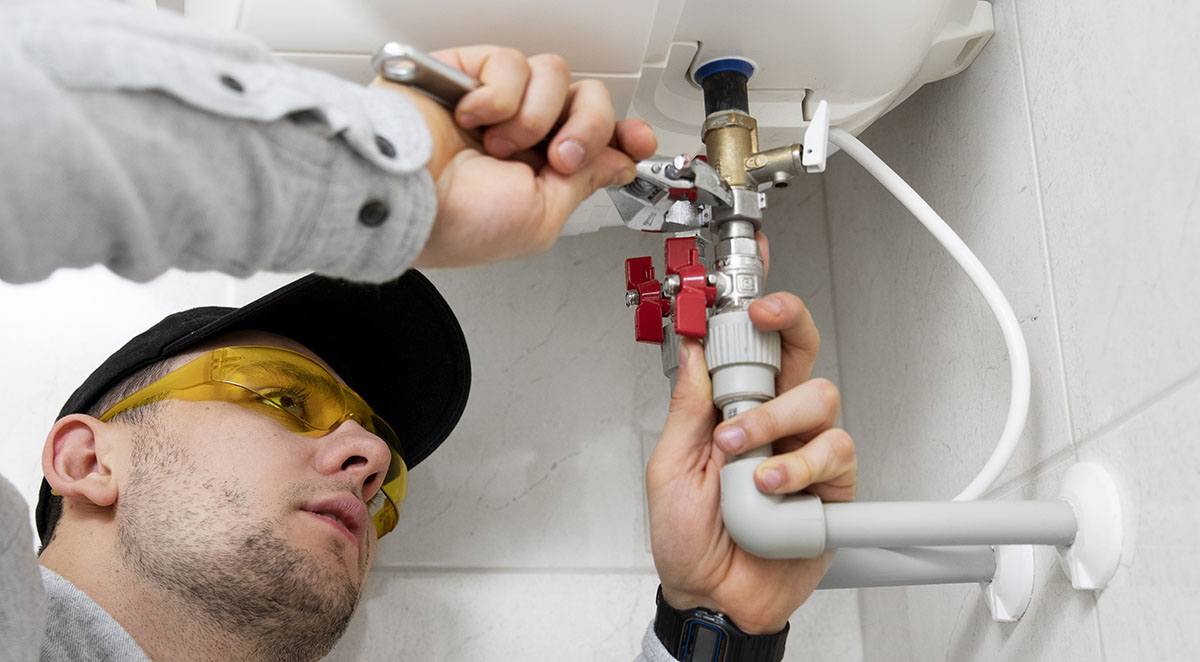
Cold weather has a way of exposing water heater problems that went unnoticed during warmer months. Incoming water arrives colder, the unit runs longer to reach the same temperature, and household demand climbs. A tank that seemed adequate in September starts running short in January, and the failures that follow tend to arrive at the least convenient time.
The encouraging part is that water heaters give plenty of warning. Sediment noise, gradually shorter showers, a slow rise in the utility bill: these are all signals that show up months before an actual failure. This guide covers the annual maintenance that prevents most problems, how tankless service differs, and how to read the symptoms your unit is already giving you.
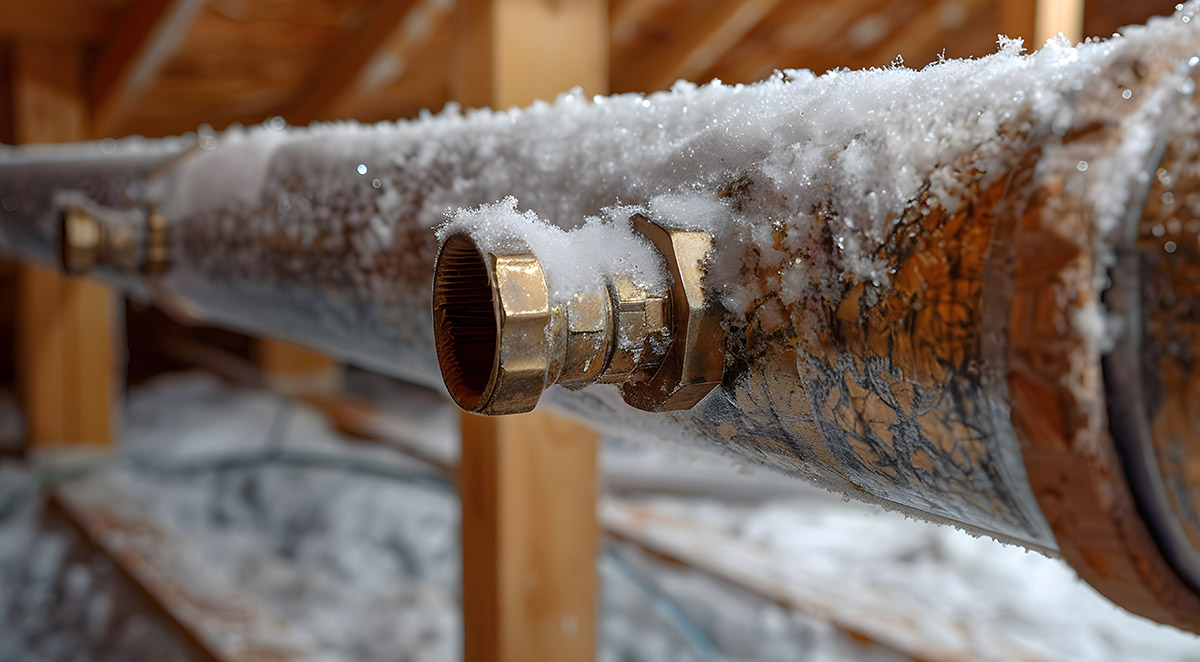
Freezing water expands, and a pipe is the weakest part of that equation. When water in a supply line turns to ice, it grows by roughly nine percent and has nowhere to go, so pressure builds against the pipe wall until something gives. That failure can happen in copper, PEX, or PVC, and it happens most often in the places nobody looks.
Western North Carolina gives pipes a specific kind of trouble. Our winters are milder than the upper Midwest, so local homes are generally built with less protection, yet we still see hard freezes in December and January that drop overnight lows into the teens. That combination of light protection and real cold is why frozen pipes remain one of the most common winter calls we take.
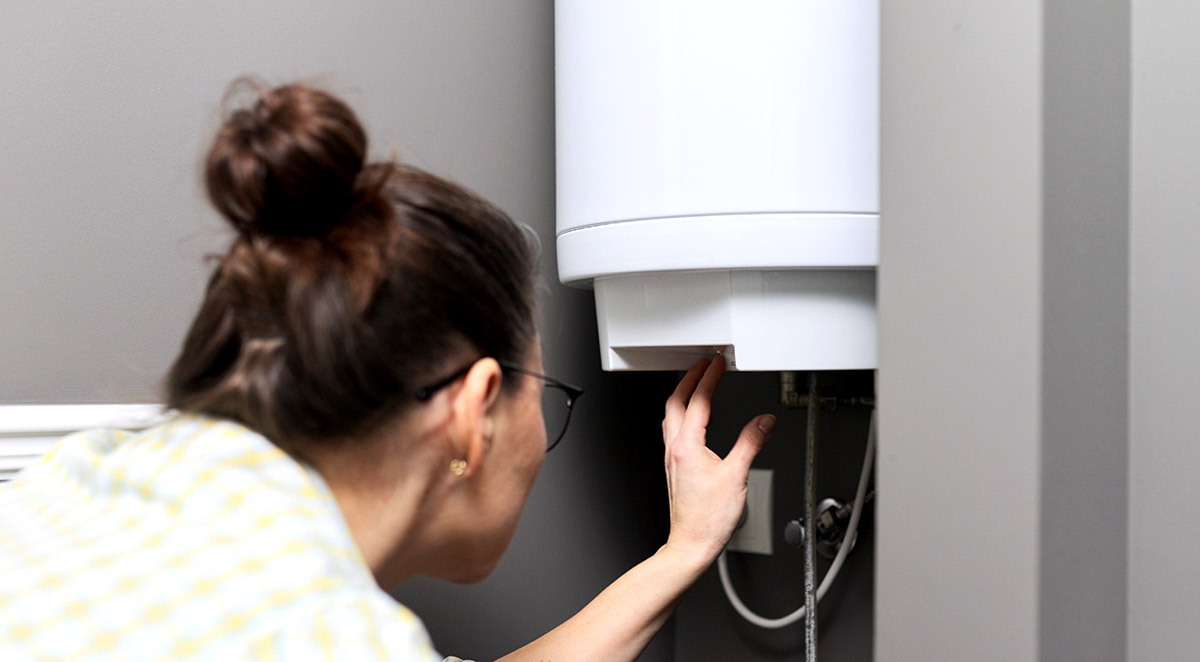
Losing hot water is one of those problems that announces itself at the worst possible moment, usually about ten seconds into a morning shower. The frustrating part is that an electric water heater has relatively few components, so the cause is often something specific and identifiable rather than a mystery. Narrowing it down is mostly a matter of paying attention to the pattern.
The symptom matters more than most people realize. No hot water at all points in one direction, while lukewarm water or hot water that runs out too quickly points somewhere else entirely. This guide walks through what each pattern usually means, what you can safely check yourself, and where the line sits between a homeowner task and a job for a licensed plumber.

Most holiday plumbing problems are not bad luck. They are load problems. A house that comfortably serves two people is suddenly handling nine, and the drains, toilets, and water heater that have quietly kept up all year are asked to do three times the work in a single weekend.
That shift explains why November and December generate so many calls for backed-up drains and cold showers. The system did not break because of the holiday. It broke because the holiday revealed a weakness that had been developing for months. A little attention in advance turns most of those weaknesses into non-events.
