
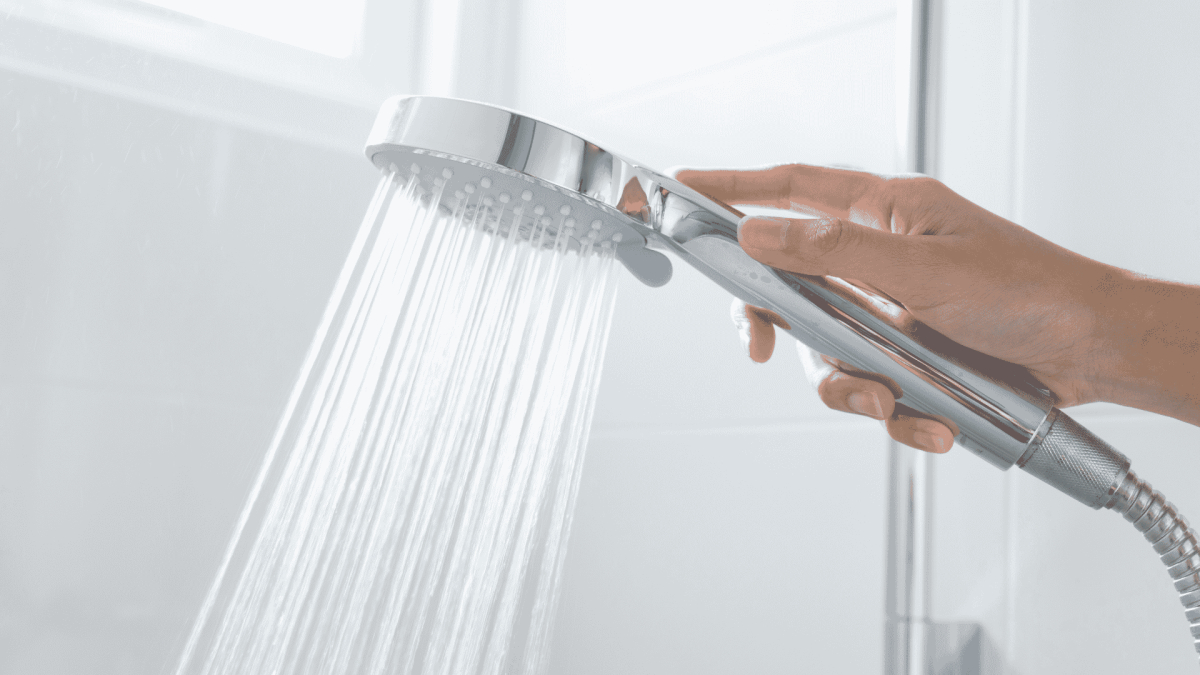
There's nothing relaxing about a shower that dribbles when you want a steady, satisfying spray. Weak shower pressure is one of the most common complaints we hear from homeowners across Henderson, Buncombe, and Transylvania Counties, and it can turn a simple morning routine into a daily frustration. The good news is that you can often increase shower water pressure yourself once you know what's holding it back.
At Plumbing Solutions, we've spent more than 25 years diagnosing pressure problems in Western North Carolina homes, from historic houses in downtown Hendersonville to mountain properties near Brevard. In this guide, we'll cover what causes weak shower pressure, the steps you can take to fix it, and when a stubborn case calls for a professional.
Quick Summary
- Weak shower pressure is often caused by a clogged showerhead, a flow restrictor, or partly closed valves.
- The easiest fixes are descaling the showerhead and confirming your shutoff valves are fully open.
- Low pressure on the hot side only usually points to a water heater issue.
- Whole-house low pressure can signal corroded pipes, a hidden leak, or a failing pressure regulator.
- If the simple fixes don't help, our team can find and solve the underlying cause.
What Causes Weak Shower Water Pressure
Before you can fix the problem, it helps to understand where it comes from. Weak shower pressure usually traces back to one of a handful of causes, and some are much easier to address than others.
The most common culprit by far is a clogged showerhead. Over time, minerals in your water build up inside the small nozzles and slowly choke off the flow. This happens gradually, so you may not notice until the spray has weakened to a trickle.
Other frequent causes include:
- A flow restrictor: Most modern showerheads include one to conserve water, and sometimes it limits pressure more than you'd like.
- Partly closed valves: A shutoff valve that isn't fully open reduces flow to the shower or even the whole house.
- Hidden leaks: Water escaping from a pipe before it reaches your shower lowers the pressure that actually comes out.
- Corroded pipes: Older galvanized pipes, common in many Western North Carolina homes, narrow with rust and buildup over the years.
- Water heater problems: If only your hot water is weak, sediment inside the water heater may be to blame.
How to Increase Your Shower Water Pressure
Here's how to increase shower water pressure step by step. Start with the simplest fixes, because they solve the majority of cases before you ever need a tool more serious than a wrench.
Step 1: Clean or Descale the Showerhead
Mineral buildup is the number one cause, so start here. Unscrew the showerhead and soak it in a bowl of white vinegar for a few hours or overnight to dissolve the deposits. If it's hard to remove, fill a plastic bag with vinegar, tie it around the showerhead so the nozzles are submerged, and leave it overnight.
After soaking, scrub the nozzles with an old toothbrush and rinse thoroughly. For many homeowners, this single step restores the pressure they've been missing.
Step 2: Check the Flow Restrictor
If cleaning doesn't do it, look at the flow restrictor, a small plastic disc inside the showerhead. It's there to save water, and adjusting or removing it can boost pressure. Keep in mind that this does increase water use, so it's a tradeoff worth considering.
Consult your showerhead's instructions before removing anything, and hold onto the part in case you want to reinstall it later.
Step 3: Confirm Your Valves Are Fully Open
It sounds simple, but a partly closed valve is a surprisingly common cause. Check the shutoff valve for your shower if it has one, then your home's main shutoff valve and the valve near your water meter. Make sure each is turned fully open.
This is especially worth checking after any recent plumbing work, since a valve is sometimes left partly closed by mistake.
Step 4: Look for Leaks
A hidden leak steals pressure before the water ever reaches your shower. Watch for damp spots on walls or ceilings, the sound of running water when everything is off, or an unexplained jump in your water bill. If you suspect a leak, it's best not to wait, since leaks tend to worsen and can cause real damage. Our leaking pipe services can locate and repair the problem.
Step 5: Replace an Old or Low-Flow Showerhead
If your showerhead is old or was designed for very low flow, even a spotless one may underperform. A quality replacement rated for higher flow can make a noticeable difference. Look for one with a good pressure reputation rather than the cheapest option on the shelf.
Step 6: Test Hot Versus Cold to Isolate the Cause
Here's a quick diagnostic trick. Run only cold water in the shower, then only hot, and compare the pressure. If the cold side is strong but the hot side is weak, the problem likely sits in your water heater, often sediment buildup restricting flow. In that case, our water heater services can help get things flowing again.
When Low Pressure Points to a Bigger Problem
Sometimes weak shower pressure is a symptom of something larger, especially when it affects more than one fixture. If the pressure is low throughout your whole house, the cause is usually beyond a single showerhead.
Corroded galvanized pipes are a frequent offender in older WNC homes. As they age, rust and mineral deposits narrow the interior of the pipe until flow drops noticeably. This kind of problem doesn't fix itself, and it typically calls for professional evaluation and, eventually, repiping.
A failing pressure regulator is another possibility. This device controls the water pressure entering your home, and when it fails, pressure can drop across every fixture. Sudden, whole-house pressure loss in particular is worth investigating quickly, since it can also point to a significant hidden leak.
When to Call Plumbing Solutions
Plenty of pressure problems clear up with a good showerhead cleaning. Others need a trained eye. Consider reaching out if the pressure is low throughout your home, if only your hot water is affected, if you have older pipes, or if you've tried the steps above without success.
Our licensed technicians can pinpoint whether the issue is buildup, a leak, corroded pipes, or a regulator, then recommend the right fix. We help homeowners across Henderson, Buncombe, and Transylvania Counties with dependable residential plumbing during regular business hours. When weak pressure won't respond to the easy fixes, contact Plumbing Solutions and we'll track down the cause.
Frequently Asked Questions
Why is only my shower low on pressure?
When the rest of your home has good pressure but the shower doesn't, the problem is almost always local to the shower itself, usually a clogged showerhead or its flow restrictor. Cleaning the showerhead or adjusting the restrictor resolves most of these cases.
Why is only my hot water pressure low?
Low pressure on the hot side alone typically points to your water heater. Sediment can build up inside the tank and restrict flow, and older units are especially prone to it. Flushing or servicing the water heater usually restores hot water pressure.
Is it safe to remove the flow restrictor?
It's generally safe, but it's a tradeoff. Removing the restrictor increases both your pressure and your water use, so consider your water bill and conservation goals. Always check your showerhead's instructions first, and keep the part in case you want it back.
Can old pipes cause low water pressure?
Yes. Older galvanized pipes corrode from the inside over time, and the buildup narrows the path water can travel. This is a common cause of gradually worsening, whole-house low pressure in older Western North Carolina homes, and it usually needs a professional assessment.
Will a new showerhead fix my water pressure?
Often, yes, especially if your current one is old, clogged beyond cleaning, or a very low-flow model. A quality replacement rated for good flow can noticeably improve your shower. If a new showerhead doesn't help, the cause likely lies deeper in your plumbing.
Conclusion
Weak shower water pressure is a common annoyance, but it's frequently one of the easier plumbing problems to solve at home. Cleaning the showerhead, checking the flow restrictor, and confirming your valves are open will fix a large share of cases in an afternoon.
When those steps don't help, or when the whole house is affected, that's your signal to bring in a professional. The team at Plumbing Solutions has kept Western North Carolina homes flowing strong for more than 25 years, and we're always glad to help. Reach out to us today and we'll take it from there.